

When The Best Research Doesn't Require Asking Any Questions
The True Power Of Observation

As early as 1943 researchers were discussing the value of family dinner time. “Family table talk is an essential part of the process whereby the family inducts the child into the life of society.”
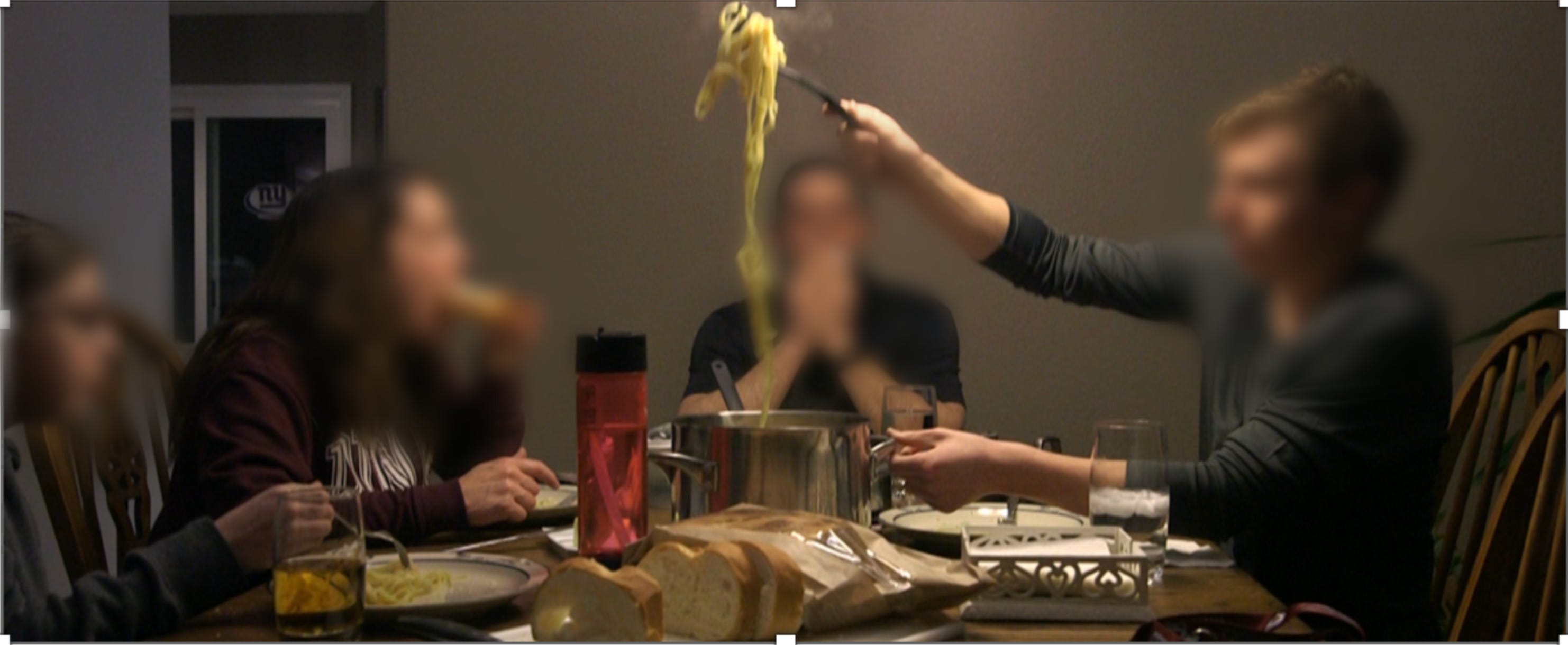
Dinner time is where important and not so important conversations happen as a family catches up on their day. Imagine the benefit when researchers get to observe their audience sitting down to dinner together.
Whether I am dining with the family or not, being able to talk with families during mealtime is one of my favorite parts of ethnographic research. It is great to hear about the day. Conversations revolve around school, work, activities, upcoming appointments and other, what may appear to be mundane, things.
But the conversations are anything but mundane. They show us the family dynamic. We learn what’s important to them. How they manage their busy schedules. What takes priority. What gets sacrificed. Ultimately, we get to understand how they care for one another. Understanding their care language allows us to learn how to speak with them in an authentic manner.
One of my favorite experiences was seeing how time stopped at dinner. We were in Denver, Colorado. We had spent a few hours with Angie including her preparing dinner. That time included a call to her son to remember to pick up his sister from practice. Another call to her husband to grab a few items for dinner that she had forgotten.
She invited us for dinner, which was welcome after 8 hours of interviews across the Denver. This allowed us to see the chaos when everyone came home at the same time. Hockey equipment was strewn in the foyer. The daughter ran upstairs to check her socials. Angie’s husband dropped off the groceries and stepped into his office to check one last thing at work.
Then dinner was ready. Within minutes of that announcement everyone was lined up in the kitchen ready to bring everything to the table. And the chaos of the house subsided. Everyone was attentive to each other. They asked each other questions and were engaged. There wasn’t a phone in sight. It was a bit Rockwellesque. And I wouldn’t have believed it if I hadn’t seen it based on the chaos of what I had observed earlier.
We didn’t even ask any questions. We ate dinner, observed and joined the conversation when asked.
What I love most about ethnographic research is sometimes the best results don’t come from asking specific questions about how often someone eats product A or uses product B, the most meaningful learnings can come from not asking anything at all.
So true, Andy! If only we all put the phone down for dinner. P